
Improper Mowing Practices: How Mowing Can Affect the Health of Your Florida Lawn
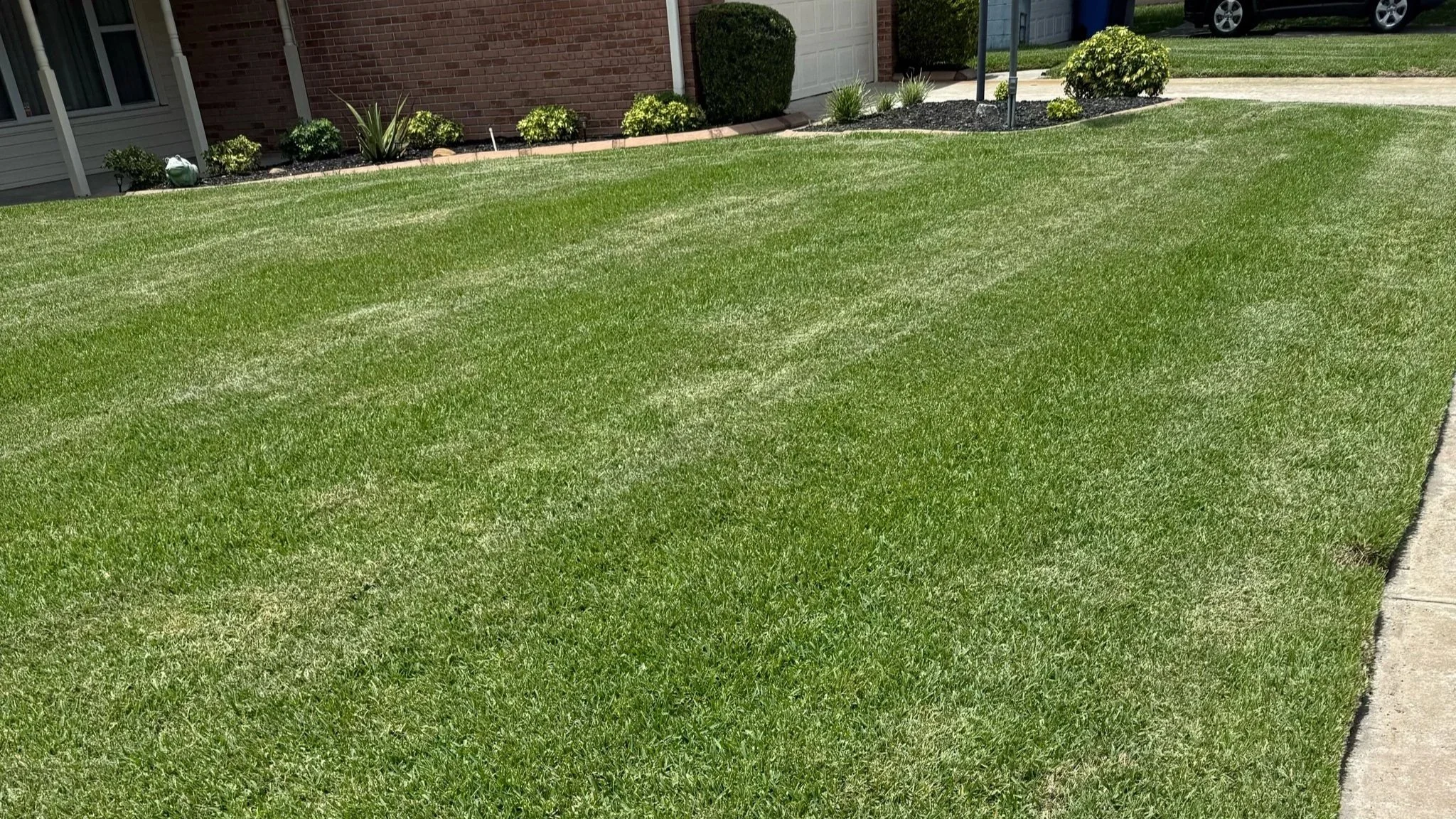
A healthy, green Florida lawn takes more than fertilizer and weed control. While professional lawn treatments play an important role in turf health, proper mowing is another critical part of maintaining your grass throughout the year.
At Green Image Services, we provide professional lawn treatments, fertilization, weed control, pest management, and lawn health services. We do not provide mowing services, but we regularly see how mowing practices can impact the overall condition of a lawn and how well it responds to a lawn care program.
Whether you mow your own lawn or hire a mowing company, understanding proper mowing practices can help you protect your investment and maintain healthier turf.
Why Proper Mowing Matters
Mowing does more than make your lawn look neat.
Grass relies on its leaf blades to produce energy through photosynthesis. When too much of the grass blade is removed, the plant can become stressed and have a harder time recovering from heat, drought, pest activity, and other environmental pressures.
Improper mowing can contribute to:
Increased turf stress
Thinning grass
Poor color and growth
Greater vulnerability to environmental stress
Scalping and exposed soil
Uneven turf appearance
Increased opportunities for weeds to establish
In Florida, where lawns regularly experience intense heat, periods of drought, heavy rainfall, and pest pressure, reducing unnecessary stress is especially important.
Common Improper Mowing Practices
Cutting the Grass Too Short
One of the most common mowing mistakes is cutting the grass too short.
Scalping removes too much of the leaf blade at one time and can expose the soil to additional heat and moisture loss. This can be particularly stressful during hot and dry conditions.
Homeowners sometimes believe that cutting the lawn shorter means they won't have to mow as often. While it may temporarily reduce the frequency of mowing, cutting too short can create additional problems for the health of the turf.
Your grass needs enough leaf surface remaining after mowing to continue producing energy and recovering properly.
Removing Too Much Grass at One Time
A good general mowing principle is to avoid removing more than approximately one-third of the grass height during a single mowing.
For example, allowing your grass to become significantly overgrown and then cutting it dramatically shorter can shock the turf.
If your lawn has gotten too tall, gradually bringing it back to the desired height can be less stressful than removing a large portion of the grass at once.
Using Dull Mower Blades
Your mower blade matters.
A dull blade can tear the grass rather than creating a clean cut. Torn grass blades can develop a ragged, damaged appearance and may leave your lawn looking brown or unhealthy at the tips.
Keeping mower blades properly maintained helps create a cleaner cut and a more uniform appearance.
Waiting Too Long Between Mowing
Letting the grass grow excessively tall and then cutting it very short can create unnecessary stress.
Consistent mowing is generally better for maintaining healthy turf than allowing the lawn to become overgrown and attempting to correct it with a drastic cut.
This is particularly important during periods of active growth when Florida lawns can grow quickly.
Mowing When the Lawn Is Too Wet
Florida homeowners know that rain can make maintaining a lawn challenging.
Mowing saturated or excessively wet grass can result in:
Uneven cuts
Grass clumping
Tire tracks
Soil compaction
Damage to the turf
Poor mower performance
Whenever possible, mowing should be performed when conditions allow for a clean cut without creating unnecessary damage to the lawn or soil.
Mowing in the Same Direction Every Time
Repeatedly mowing in exactly the same direction can contribute to ruts and compacted areas over time.
Changing mowing patterns periodically can help reduce repeated traffic over the same areas and encourage more uniform turf growth.
Mowing Is Only One Part of Lawn Health
It's important to remember that mowing is only one piece of the puzzle.
A lawn can be mowed correctly and still struggle because of other underlying problems.
Florida lawns can be affected by:
Chinch bugs
Sod webworms
Lawn diseases
Weed pressure
Poor irrigation coverage
Drought stress
Soil compaction
Nutrient deficiencies
Improper watering
Environmental stress
That's why it can be difficult to diagnose a lawn problem simply by looking at the color or appearance of the grass.
For example, brown patches may appear to be caused by poor mowing when the actual issue is chinch bug activity or inadequate irrigation.
How Mowing Works With Professional Lawn Treatments
At Green Image Services, our lawn treatment program is designed to address the nutritional and pest-related needs of your turf.
However, treatments work alongside proper lawn maintenance practices.
Think of your lawn as a system.
Fertilization provides nutrients.
Weed control reduces competition from unwanted plants.
Pest control helps manage damaging insects.
Proper irrigation provides the water your turf needs.
Proper mowing helps maintain healthy turf growth.
When these components work together, your lawn has a better opportunity to remain healthy, dense, and resilient.
We Don't Provide Mowing Services, But We Can Help You Understand Your Lawn
Green Image Services does not provide routine mowing services. However, we believe homeowners should understand how mowing practices can affect the health of their lawn and the results of their professional lawn treatments.
If your lawn isn't responding the way you expect, don't automatically assume the problem is mowing.
Our team can help evaluate the lawn and look for potential causes such as pests, weeds, irrigation issues, nutritional concerns, or other turf health problems.
Sometimes the solution isn't simply mowing more often or adding more water. The first step is identifying what's actually causing the problem.
Frequently Asked Questions About Lawn Mowing
-
Yes. Lawn treatments work best when combined with proper turf maintenance. Cutting grass too short, removing too much at once, or using dull mower blades can stress the lawn and make it more difficult for turf to recover from heat, drought, pests, and other environmental conditions.
-
Yes. While we don't provide mowing services, our team can evaluate your lawn and look at the overall condition of the turf. If we identify mowing practices that may be contributing to the problem, we can point those out while also evaluating the lawn for pests, weeds, irrigation issues, nutritional deficiencies, or other concerns.
-
Not necessarily. Lawn treatments address specific issues such as nutrient deficiencies, weeds, and certain lawn pests. If the underlying problem is improper mowing, that maintenance practice also needs to be corrected. The best results come from combining professional lawn treatments with proper mowing, watering, and maintenance.
-
There can be several reasons. Brown grass may be related to chinch bugs, sod webworms, disease, drought stress, irrigation problems, soil conditions, or improper mowing. A lawn treatment program isn't a substitute for proper irrigation and mowing practices. Identifying the actual cause is the first step toward correcting the problem.
-
Mowing too short can increase stress on St. Augustine grass, particularly during Florida's hot and dry conditions. While improper mowing doesn't cause chinch bugs, reducing unnecessary turf stress is an important part of maintaining a healthier lawn that can better withstand environmental and pest pressure.
-
Timing can depend on the specific lawn treatment being applied. If you're receiving professional lawn treatments, follow the service recommendations provided by your lawn care company. Green Image Services can provide guidance based on the treatment being applied to your property.
-
Yes. Proper mowing is only one component of a healthy lawn. Florida turf may still require fertilization, weed control, pest management, and ongoing monitoring to maintain healthy growth throughout the year.
-
Green Image Services provides professional lawn treatment services designed for Florida lawns, including fertilization, weed control, pest management, and ongoing turf health services. We help homeowners identify the underlying causes of lawn problems and develop an appropriate treatment plan.
-
Don't automatically assume brown grass needs more water. Brown patches can be caused by drought stress, irrigation problems, chinch bugs, sod webworms, disease, or other lawn health issues. A professional lawn evaluation can help determine what's actually causing the damage before you apply additional treatments or water unnecessarily.
-
If you're seeing brown patches, thinning grass, weeds, pest activity, or declining turf health, contact Green Image Services to schedule a professional lawn evaluation. We'll assess the condition of your lawn and help determine what may be affecting its health.
📞 Call or text Green Image Services at (813) 333-3940 to get started.
Is Your Lawn Showing Signs of Stress?
If your lawn is thinning, developing brown patches, losing color, or simply isn't responding the way you expect, don't guess at the problem.
At Green Image Services, we help homeowners throughout Tampa Bay and surrounding Florida communities identify lawn health issues and develop treatment plans based on the needs of their property.
We provide professional lawn treatments, fertilization, weed control, pest management, and lawn evaluations throughout Tampa, Riverview, Brandon, Valrico, Plant City, Lithia, FishHawk Ranch, Apollo Beach, Sun City Center, Wesley Chapel, Lutz, Land O' Lakes, Odessa, Carrollwood, Clearwater, St. Petersburg, Largo, Seminole, Palm Harbor, Dunedin, Oldsmar, and surrounding communities.
📞 Call or text Green Image Services at (813) 333-3940 to schedule a professional lawn evaluation.
A healthy lawn isn't just about how often it's mowed. It's about understanding what your turf needs and addressing problems before they become bigger ones.