
Is October a Good Time to Replace Your Lawn With New Sod in Tampa Bay and The Tri-County Area?
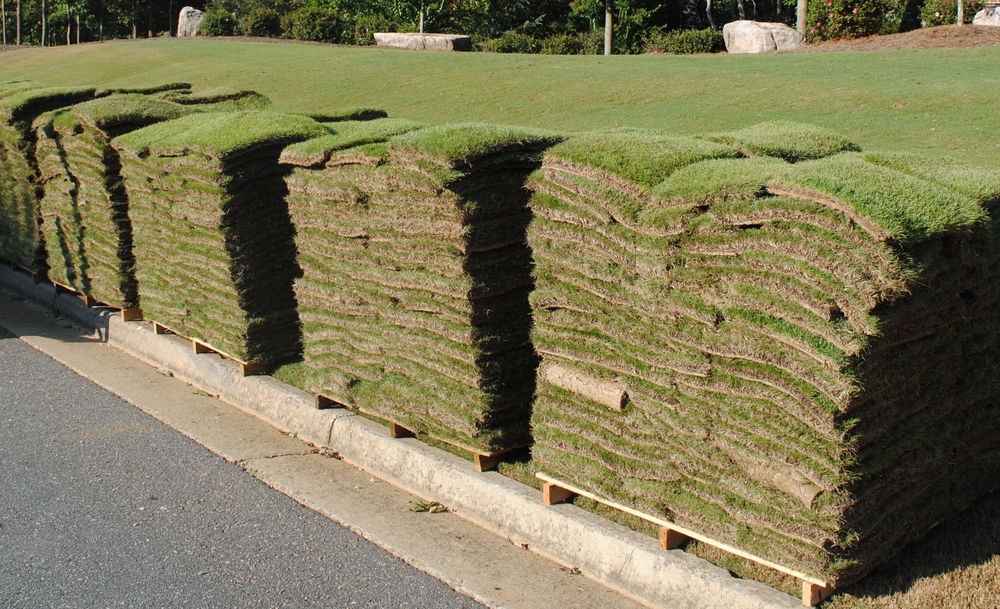
If your Tampa Bay lawn has been struggling all summer, October may be the time to start thinking about a fresh start. By the end of summer, homeowners often begin noticing areas of thinning grass, bare spots, weed invasion, declining turf, or sections of the lawn that simply haven't recovered. The question is:
Should you keep treating the existing lawn, or is it time to replace it?
For some properties, October can be a good time to install new sod.
Why Consider Sod Replacement in October?
Florida's warm-season grasses grow best during warmer conditions, but the intense heat and dryness of summer can make establishing new turf more demanding. October brings a seasonal transition. Temperatures begin to moderate, while Tampa Bay can still experience conditions suitable for establishing warm-season turf.
UF/IFAS recommends establishing St. Augustinegrass during active growth while avoiding temperature extremes. For central Florida, that means avoiding the hottest, driest part of summer and the colder winter period when possible.
That makes early fall a useful window to consider a lawn replacement project.
When Should You Consider Replacing Your Lawn?
Not every struggling lawn needs to be removed. Some lawns can improve with the right combination of fertilization, weed control, pest management, irrigation improvements, and ongoing maintenance. However, replacement may make more sense when the existing turf has extensive damage or has declined to the point where repairing it would require significant time and expense.
UF/IFAS Extension Hillsborough County notes that when approximately 30% or more of a lawn is covered with weeds, bare spots, or other damage, replacement can often be more practical than trying to repair the existing turf.
Some signs that it may be time to consider sod replacement include:
Large areas of bare or thinning turf
Extensive weed invasion
Repeated lawn decline despite treatment
Poor-quality or inappropriate turf for the site
Significant damage from pests or disease
Areas where the existing grass has failed to recover
A lawn that requires extensive repair to become functional again
The important part is determining why the lawn is struggling before replacing it.
Don't Put New Sod Over an Existing Problem
New sod can dramatically improve the appearance of a property, but it isn't a magic solution. If the underlying conditions haven't been addressed, the same problems can eventually affect the new lawn. Before installation, the property should be evaluated for factors such as:
Irrigation: Is the sprinkler system providing adequate and even coverage?
Soil and grading: Is the soil suitable for turf establishment? Are there drainage or grading concerns?
Sunlight: Does the selected turf have the right conditions to grow successfully in the area?
Existing vegetation: Are weeds and old turf being properly removed before installation?
Property use: Will the area be used for heavy foot traffic, parking, pets, or other activities that may affect the type of ground cover needed?
Proper preparation is a major part of successful sod installation. UF/IFAS Extension Hillsborough County recommends preparing the site, removing existing weeds and vegetation, addressing grading and compaction, and auditing irrigation before laying new turf.
New Sod Still Needs Time to Establish
One of the biggest misconceptions about sod replacement is that the lawn is finished as soon as the sod is installed. It isn't. New sod has to develop a root system and establish contact with the soil underneath.
UF/IFAS recommends keeping newly planted turf adequately moist during establishment and notes that St. Augustinegrass generally takes several weeks to become fully established. The first mowing typically occurs once the sod has rooted firmly, often around 14 to 21 days after planting.
That means irrigation, mowing, monitoring, and proper care remain important after installation. New sod also should not immediately be treated like an established lawn. UF/IFAS recommends waiting approximately 30 to 60 days before fertilizing newly planted St. Augustinegrass.
October Is an Opportunity to Start Fresh
If your lawn has struggled throughout the summer, October can be a good time to have the property evaluated and determine whether continued treatment or sod replacement makes the most sense. The goal isn't to replace a lawn simply because it doesn't look perfect. The goal is to determine whether the existing turf can reasonably recover or whether starting over would provide a better long-term result.
At Green Image Services, we provide both lawn treatment services and sod installation and replacement throughout Tampa Bay. That allows us to look at the condition of the existing lawn and help determine the appropriate direction for the property. If your lawn has been struggling all summer, don't wait until the problem becomes more difficult to address.
Considering sod replacement in Tampa Bay?
Call or text (813) 333-3940 to discuss your property and schedule a lawn evaluation.
Serving Tampa, St. Petersburg, Clearwater, Brandon, Riverview, Wesley Chapel, Lutz, Land O' Lakes, Odessa, and surrounding Florida communities.