
Torpedo Grass in Florida Lawns: Identification, Control, and Prevention in Tampa Bay
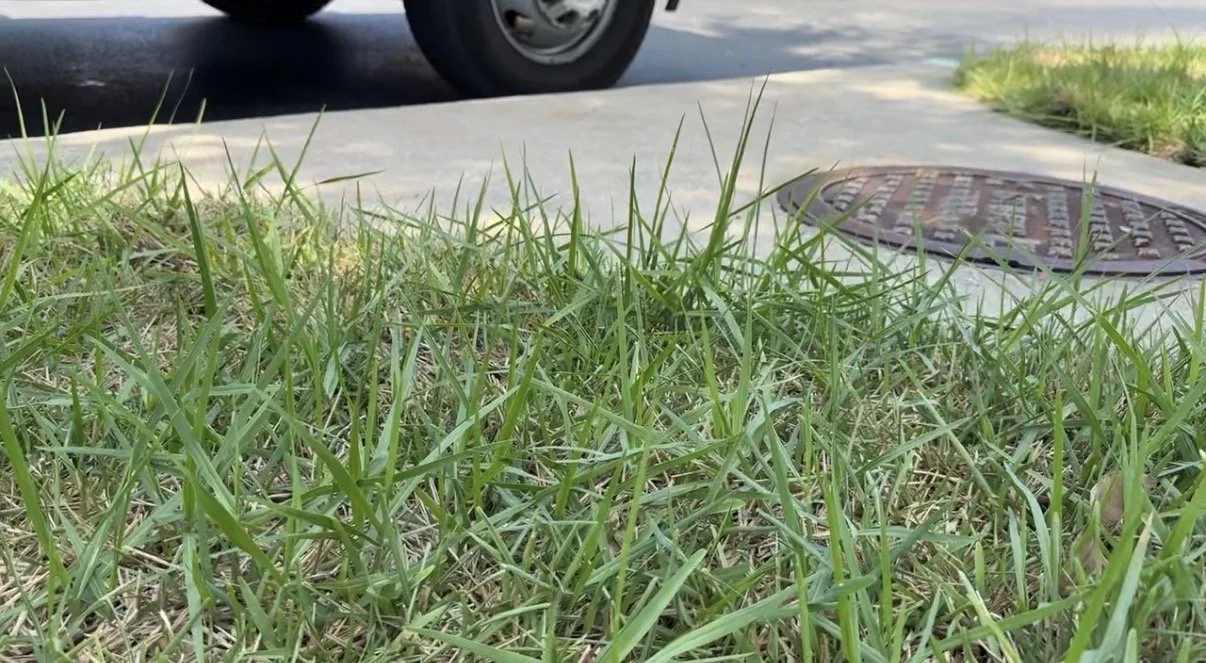
Torpedo grass is one of the most aggressive and difficult-to-control weeds found in Florida lawns. Homeowners across Tampa Bay and surrounding areas often mistake it for regular turf grass until it has already spread and taken over large sections of the yard.
Because of its underground rhizome system and rapid growth, torpedo grass can quickly outcompete desirable turf like St. Augustine and Bahia grass, making early identification and consistent management essential.
What Is Torpedo Grass?
Torpedo grass (Panicum repens) is a perennial warm-season grass that spreads primarily through underground rhizomes. It thrives in Florida’s hot, humid climate and is commonly found in poorly drained soils, irrigated lawns, and landscaped areas.
Unlike many weeds that spread by seed alone, torpedo grass spreads both above and below the soil surface, making it extremely difficult to eliminate once established.
Why Torpedo Grass Is So Problematic
Torpedo grass is considered one of the most invasive lawn weeds in Florida for several reasons:
It spreads rapidly through underground rhizomes
It is highly tolerant of heat, drought, and flooding
It competes aggressively with desirable turf grass
It is resistant to many common lawn herbicides when not treated correctly
It can quickly overtake large areas if left unmanaged
Once established, torpedo grass rarely stays contained to one area and often spreads into flower beds, lawns, and landscape edges.
How to Identify Torpedo Grass
Torpedo grass is often mistaken for healthy turf grass in its early stages. However, there are several identifying characteristics:
Coarse, stiff blades that grow in clumps
Bluish-green to light green coloration
Distinct upright growth compared to surrounding turf
Visible spreading pattern that forms dense patches
Thick underground runners (rhizomes) when pulled from soil
Because it blends in with turf initially, many homeowners do not notice it until it has already spread significantly.
Where Torpedo Grass Commonly Grows
In the Tampa Bay area, torpedo grass is commonly found in:
Overwatered or poorly drained lawns
Irrigated residential turf
Landscape beds and garden edges
Ditches, ponds, and drainage areas
Disturbed soil areas after construction or sod installation
It thrives in both wet and dry conditions, making it adaptable to most Florida landscapes.
Controlling Torpedo Grass
Torpedo grass is extremely difficult to control with a single treatment. Effective management typically requires a combination of approaches, including:
Targeted herbicide applications applied at the correct timing
Repeat treatments over multiple cycles
Careful lawn monitoring to prevent regrowth
Improved irrigation and drainage practices
Consistent lawn maintenance to support healthy turf competition
Because torpedo grass grows from underground rhizomes, surface-level removal alone is not effective. Any remaining root system can regenerate new growth.
Prevention Is Key
The most effective way to manage torpedo grass is to prevent it from spreading in the first place. Healthy, dense turf grass is one of the best defenses against invasive weeds.
Preventative strategies include:
Proper fertilization based on soil needs
Consistent mowing at recommended heights
Balanced irrigation (avoiding overwatering)
Regular lawn inspections to identify early weed growth
Prompt treatment of small infestations before they spread
Professional Help for Torpedo Grass in Tampa Bay
Because torpedo grass is highly invasive and difficult to eliminate, professional treatment is often required for long-term control. Early intervention is critical to prevent widespread infestation and reduce long-term damage to your lawn.
At Green Image Services, we evaluate the severity of torpedo grass infestations and develop a treatment plan tailored to your lawn’s condition and grass type. Our goal is to restore healthy turf while minimizing further spread.
Frequently Asked Questions About Torpedo Grass
-
Torpedo grass has coarse, stiff blades that often appear slightly lighter or bluish-green compared to surrounding turf. It grows in clumps and spreads outward in dense patches.
-
It spreads through underground rhizomes, which allow it to regenerate even after surface-level removal or mowing. This makes it highly resistant to standard weed control methods.
-
No. Mowing may reduce visible growth temporarily, but it does not affect the underground rhizomes that allow the weed to spread and regrow.
-
Yes. It commonly invades St. Augustine lawns in Florida, especially in areas with irrigation issues or thin turf coverage.
-
The most effective control method involves targeted herbicide applications combined with repeated treatments and proper lawn maintenance practices.
-
Yes. It spreads aggressively through underground rhizomes and can quickly move into surrounding turf, garden beds, and landscape areas if not managed.
Need a Second Set of Eyes on Your Lawn?
At Green Image Services, we help homeowners across Tampa Bay and the Tri-County area get clear answers about what’s happening in their lawn and how to correct it. From invasive weeds like torpedo grass to irrigation concerns, nutrient deficiencies, and overall turf decline, the key is identifying the root cause before applying the wrong treatment. Once you know what you’re dealing with, there is always a solution.
📞 Call or text (813) 333-3940 to schedule your lawn evaluation and get a professional assessment of your property.